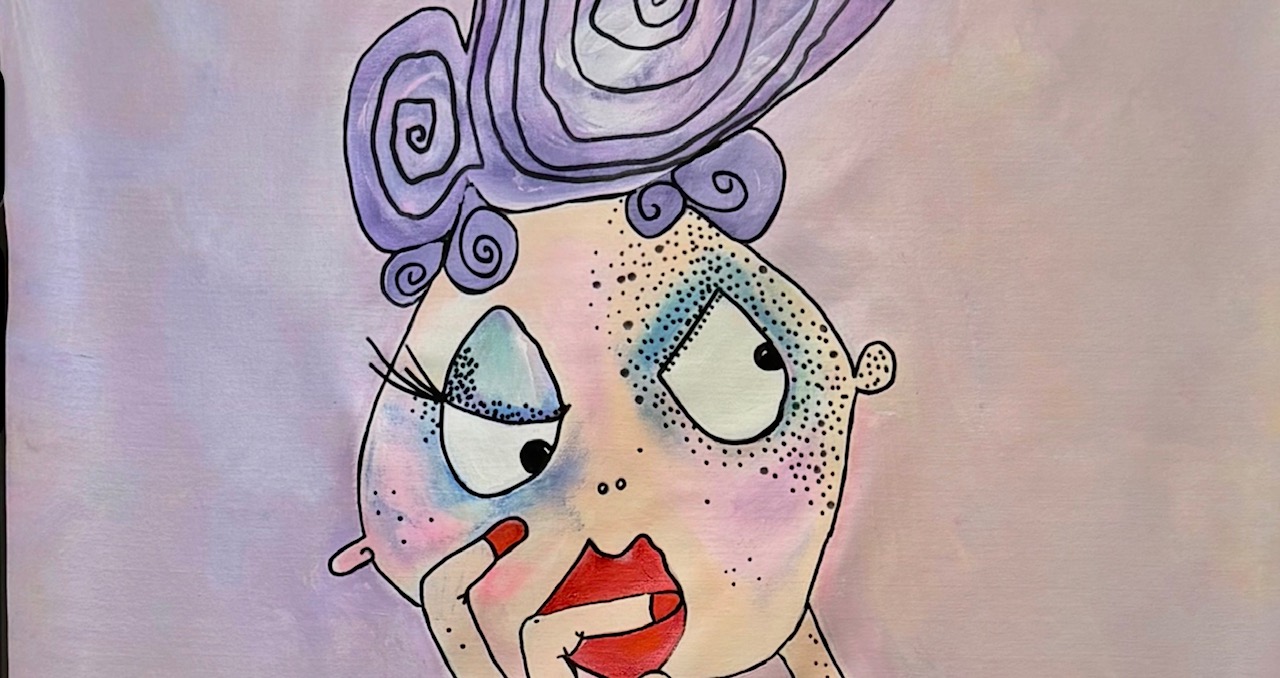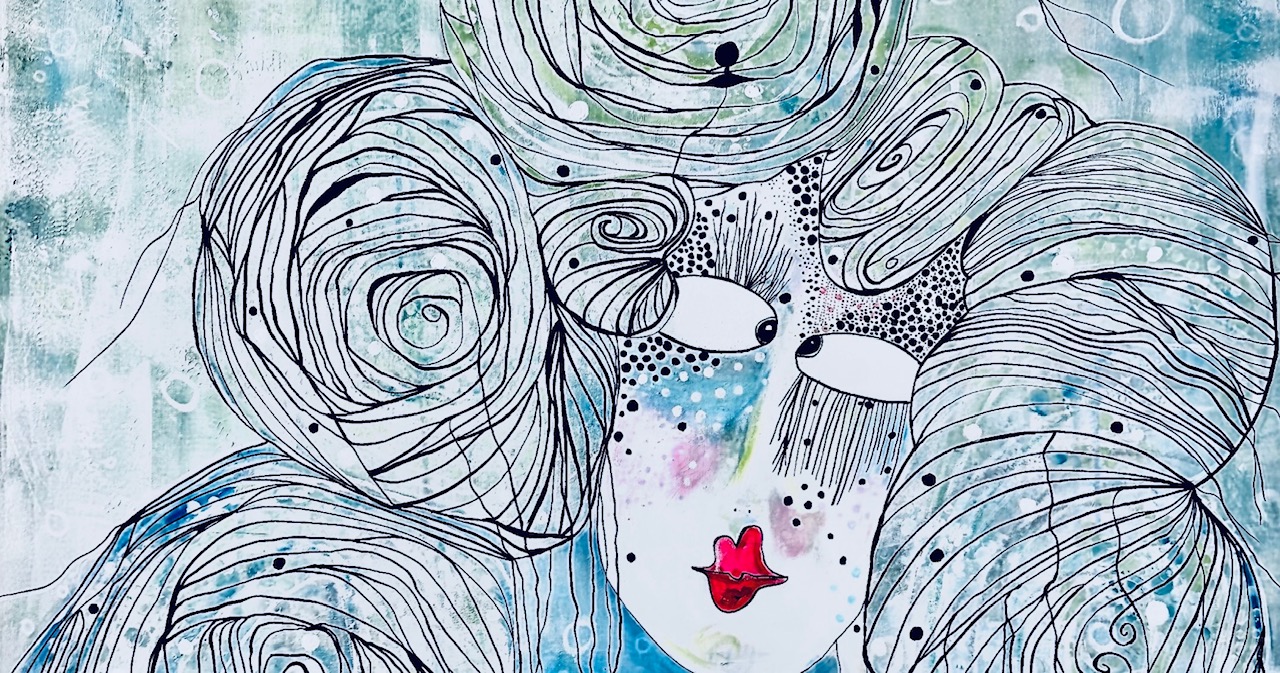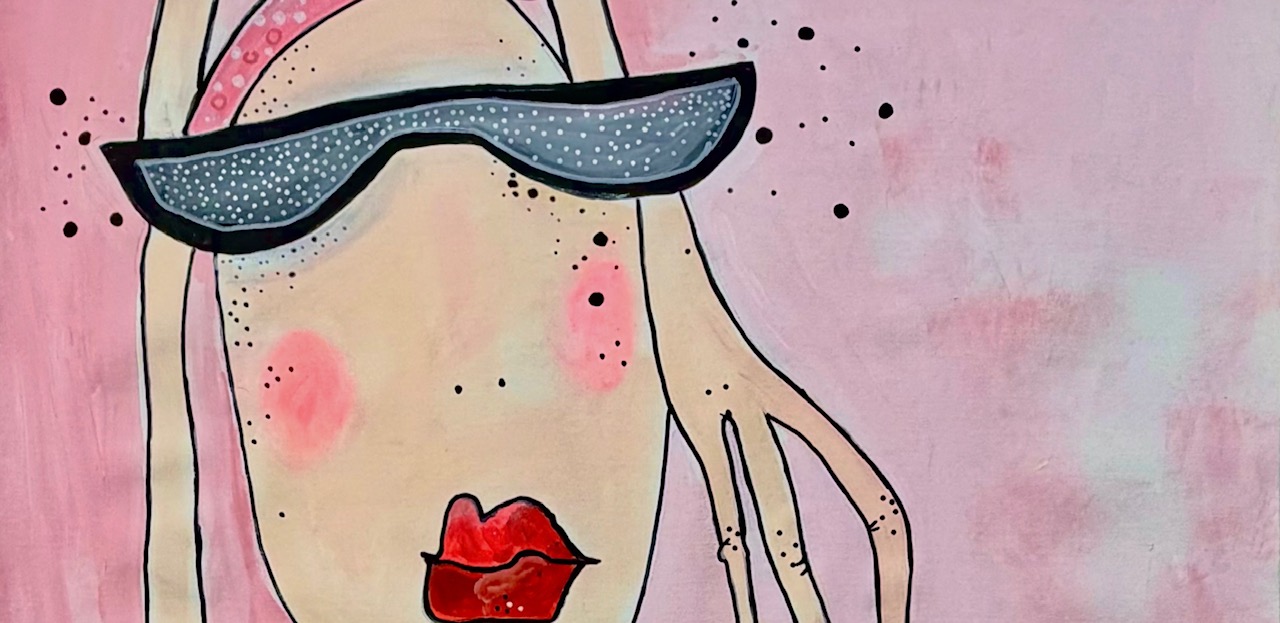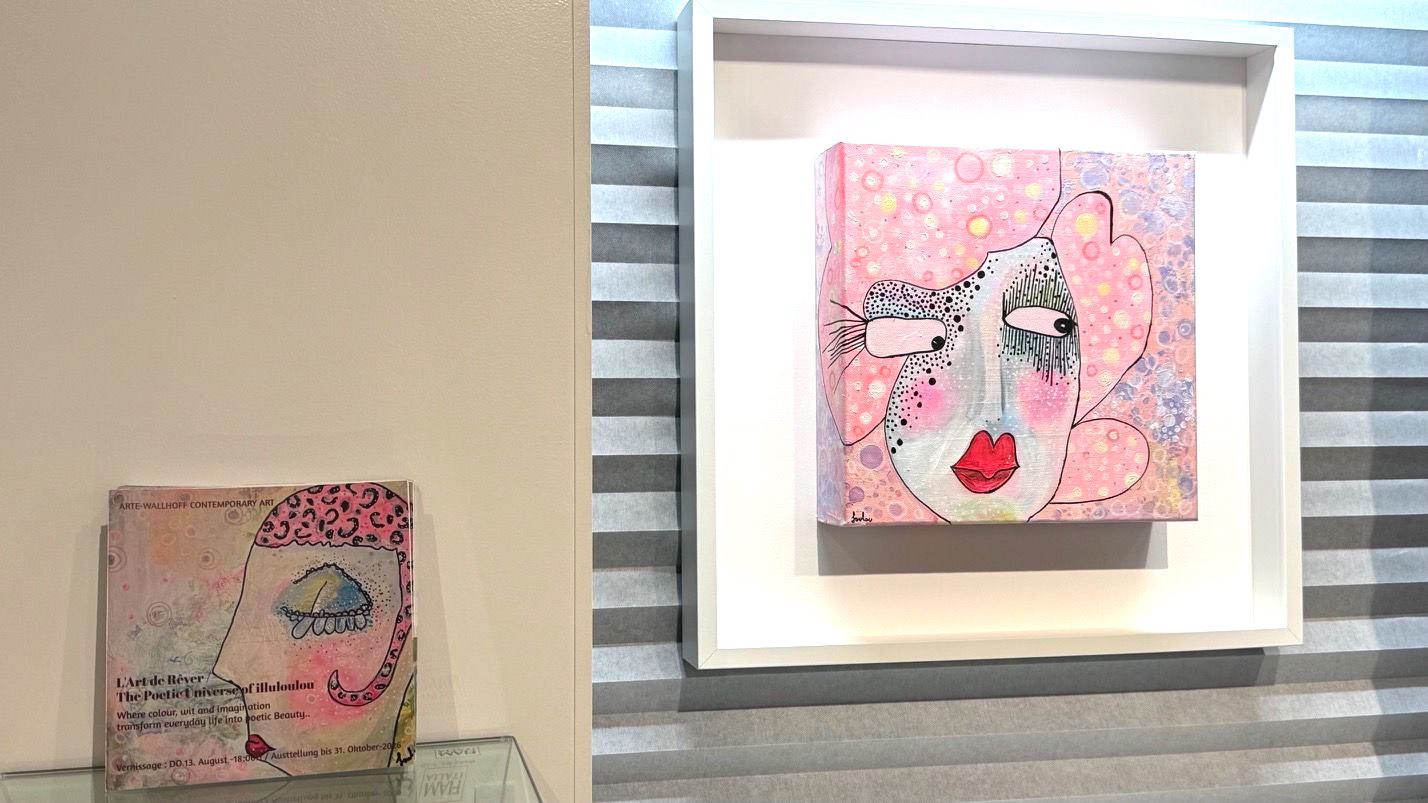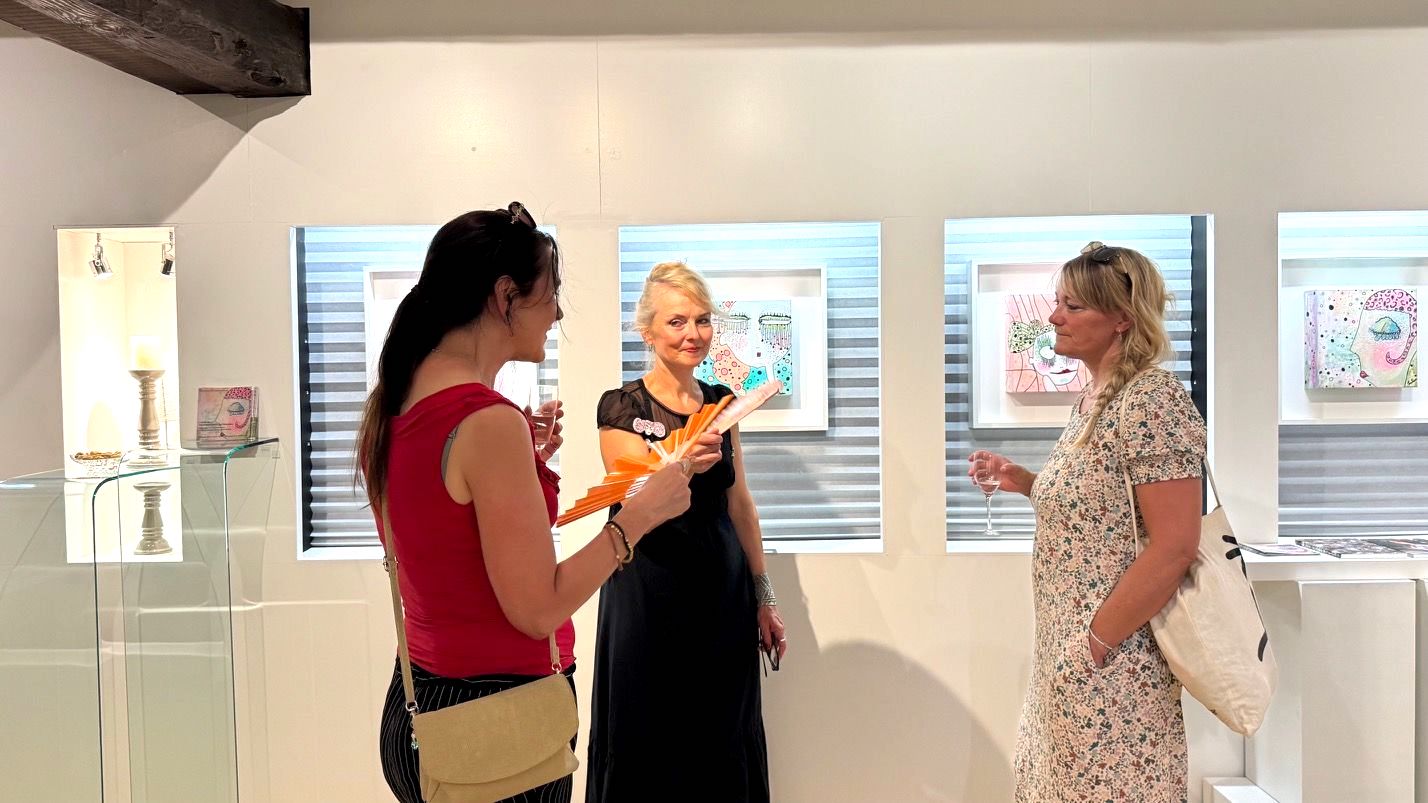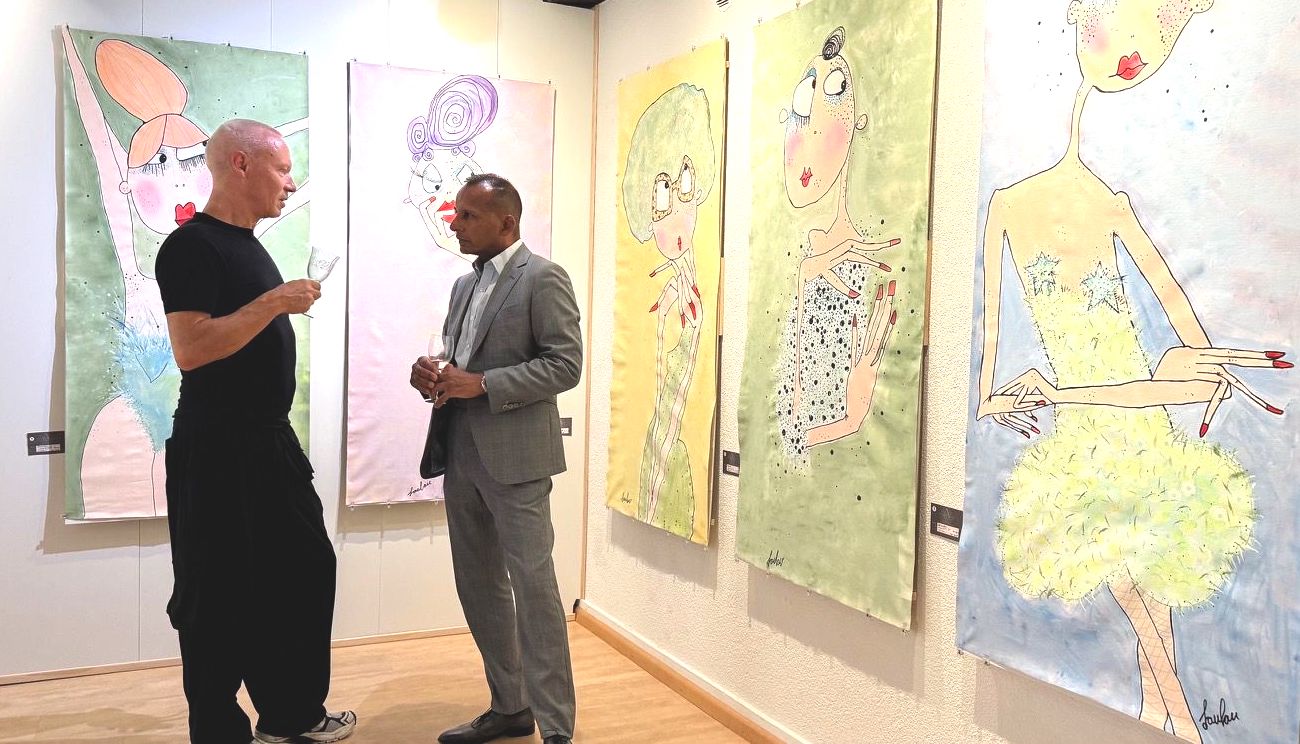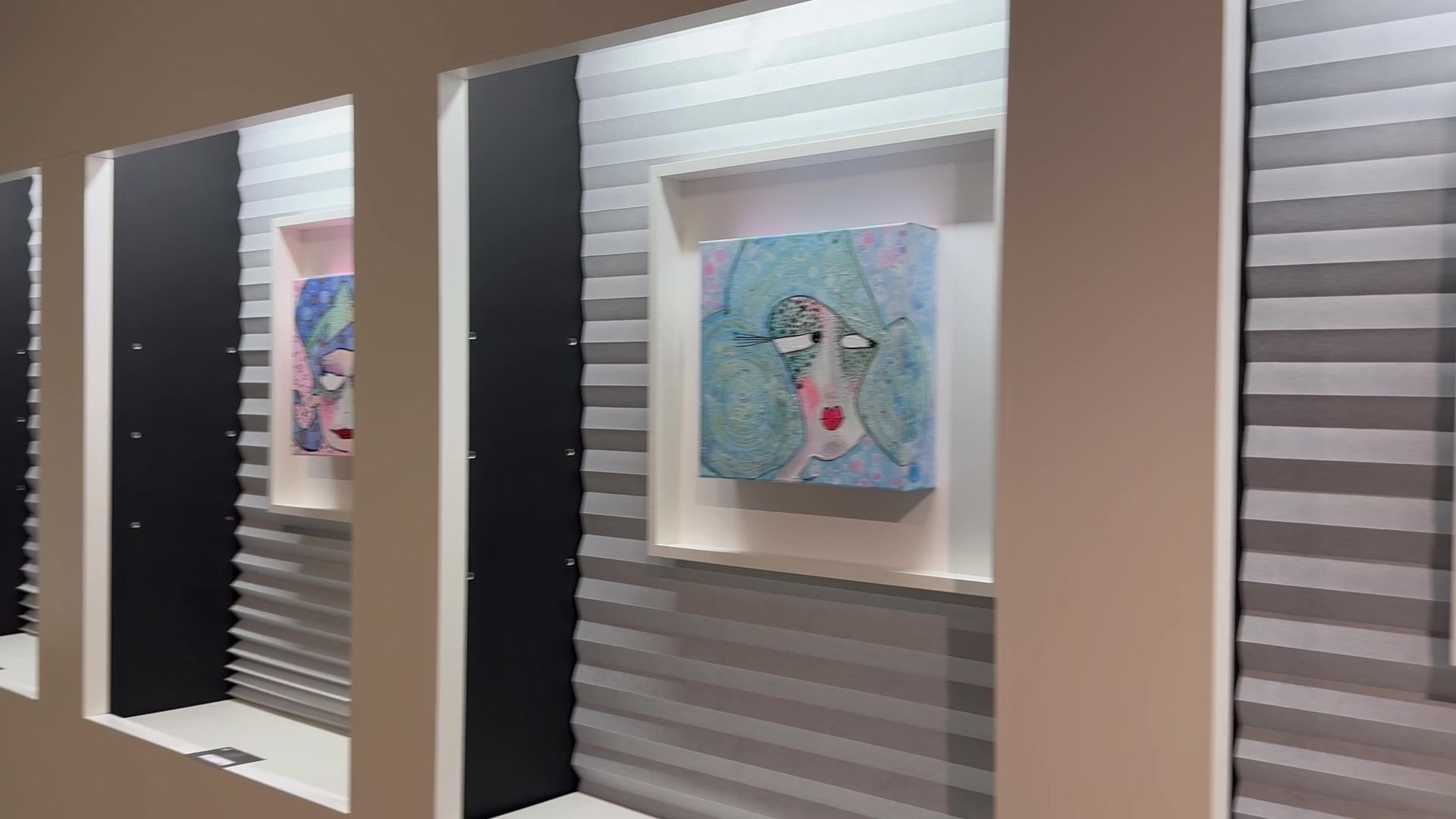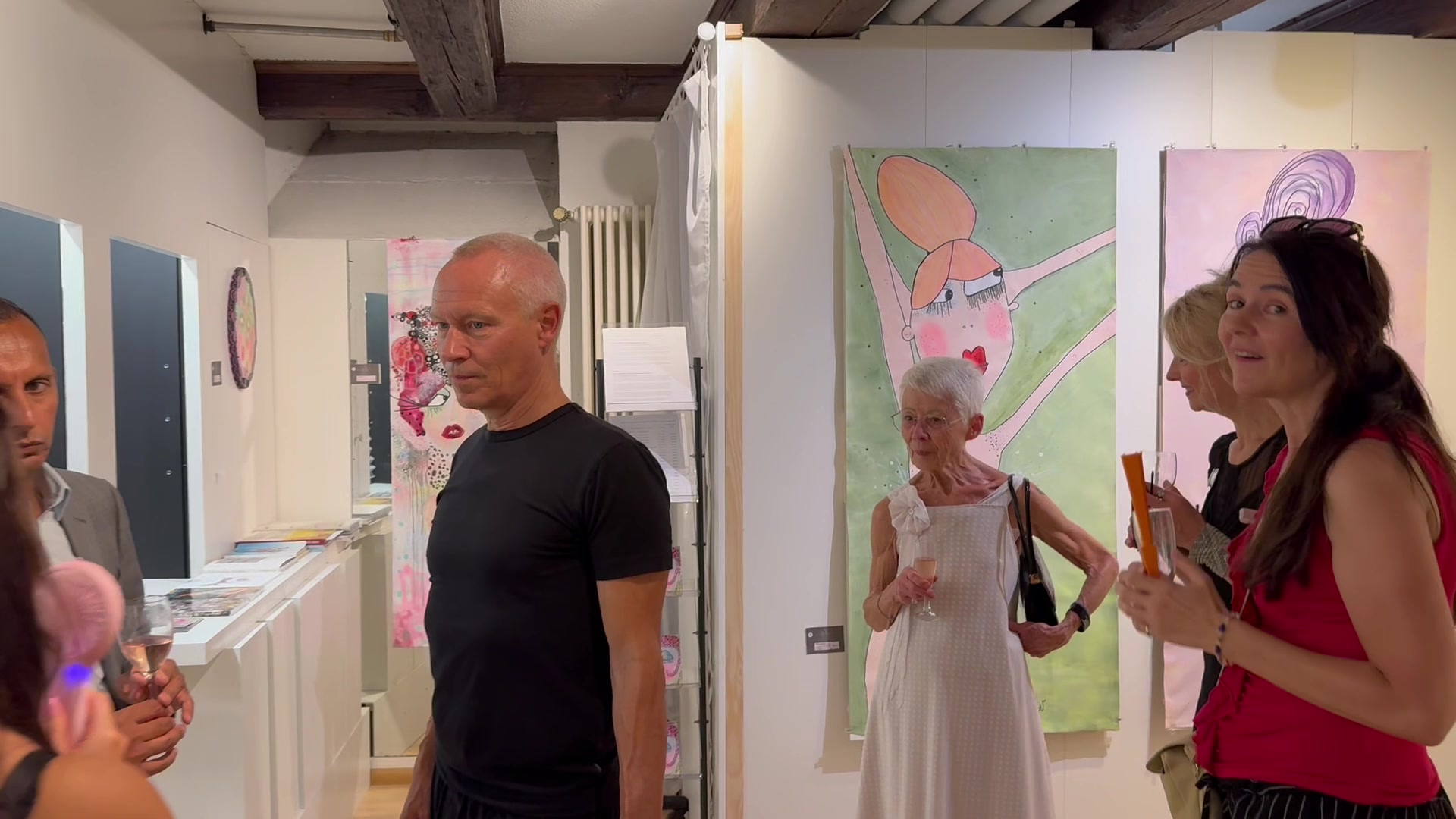
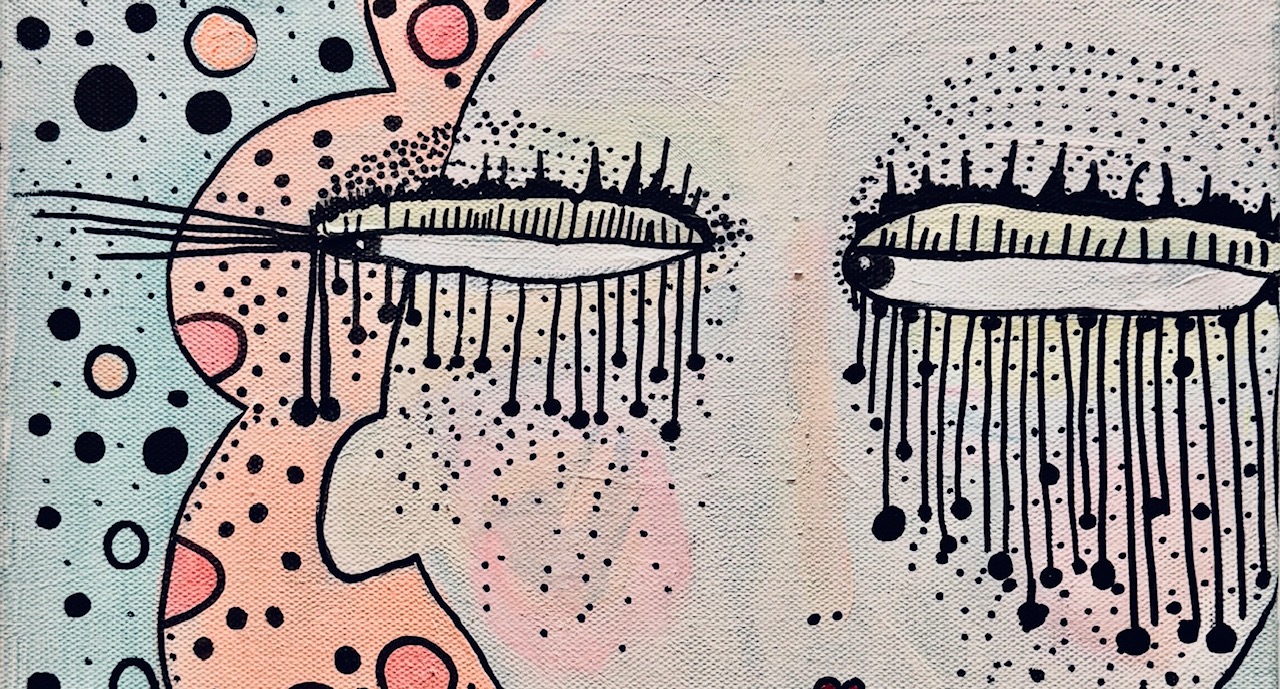
Detail of an artwork by illuloulou with two faces
01 / 05
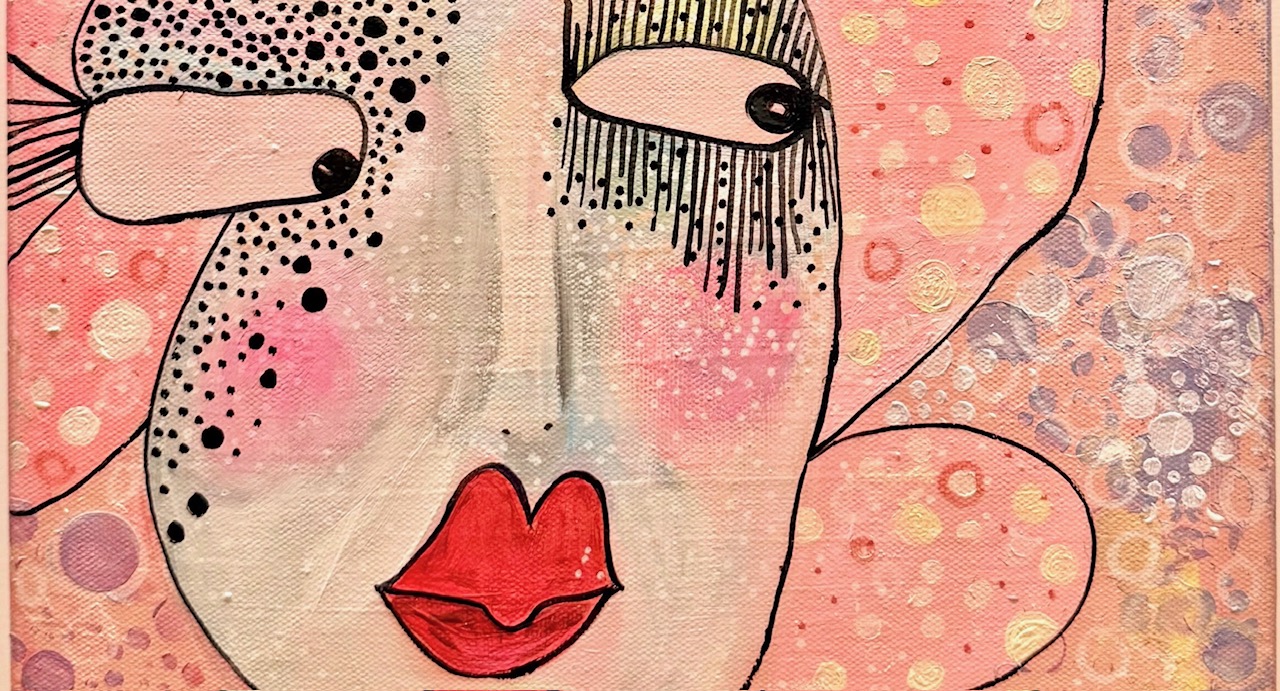
Pink portrait artwork by illuloulou
02 / 05
Portrait with violet hair by illuloulou
03 / 05
Blue portrait artwork by illuloulou
04 / 05
Portrait with sunglasses by illuloulou
05 / 05

CURRENT EXHIBITION · BASEL

CURRENT EXHIBITION

illuloulouL’Art de RêverThe Poetic Universe of illuloulou

SINCE 1998

Arte‑WallhoffSpace for Contemporary Art

01 / 09

BASEL · CONTEMPORARY ART

Ein Raum für
zeitgenössische Kunst.

Arte-Wallhoff ist ein unabhängiger Raum für zeitgenössische Kunst. Wir vertreten internationale Positionen und fördern kulturellen Dialog durch Ausstellungen, Forschung und langfristige Zusammenarbeit.

01

Künstlerische Exzellenz und konzeptionell fundierte Arbeit
02

Langfristige Projekte: Forschung, Experiment und Entwicklung

03

Dialog zwischen Künstler:innen und Sammler:innen über Kontinente hinweg

04

Kulturelle Identität und Vielfalt der künstlerischen Ausdrucksformen

05

Orte, an denen Menschen Kunst, Ideen und einander begegnen

06

Kunst, die unser Verständnis menschlicher Erfahrung vertieft

Offenheit.
Neugier.
Exzellenz.

01

Kultureller Dialog

Zeitgenössische Kunst verbindet Kulturen, Generationen und Disziplinen – als universelle Sprache für neue Perspektiven.

02

Internationale Perspektive

Wir begleiten Künstler:innen aus aller Welt, deren Arbeiten zu einem gemeinsamen kulturellen Gespräch beitragen.

03

Langfristige Beziehungen

Vertrauen, Wissen und gegenseitiger Respekt prägen unsere Arbeit mit Kunstschaffenden, Sammler:innen und Institutionen.

Künstler:innen

Marianna ChanelParis

Alejandro MirandaEl Salvador

Peter GospodinovBulgarien

Aktion-DirectDeutschland

09.10.2025—10.01.2026

Lesley
Schiff

Flora, Fauna &
Shimmering Worlds

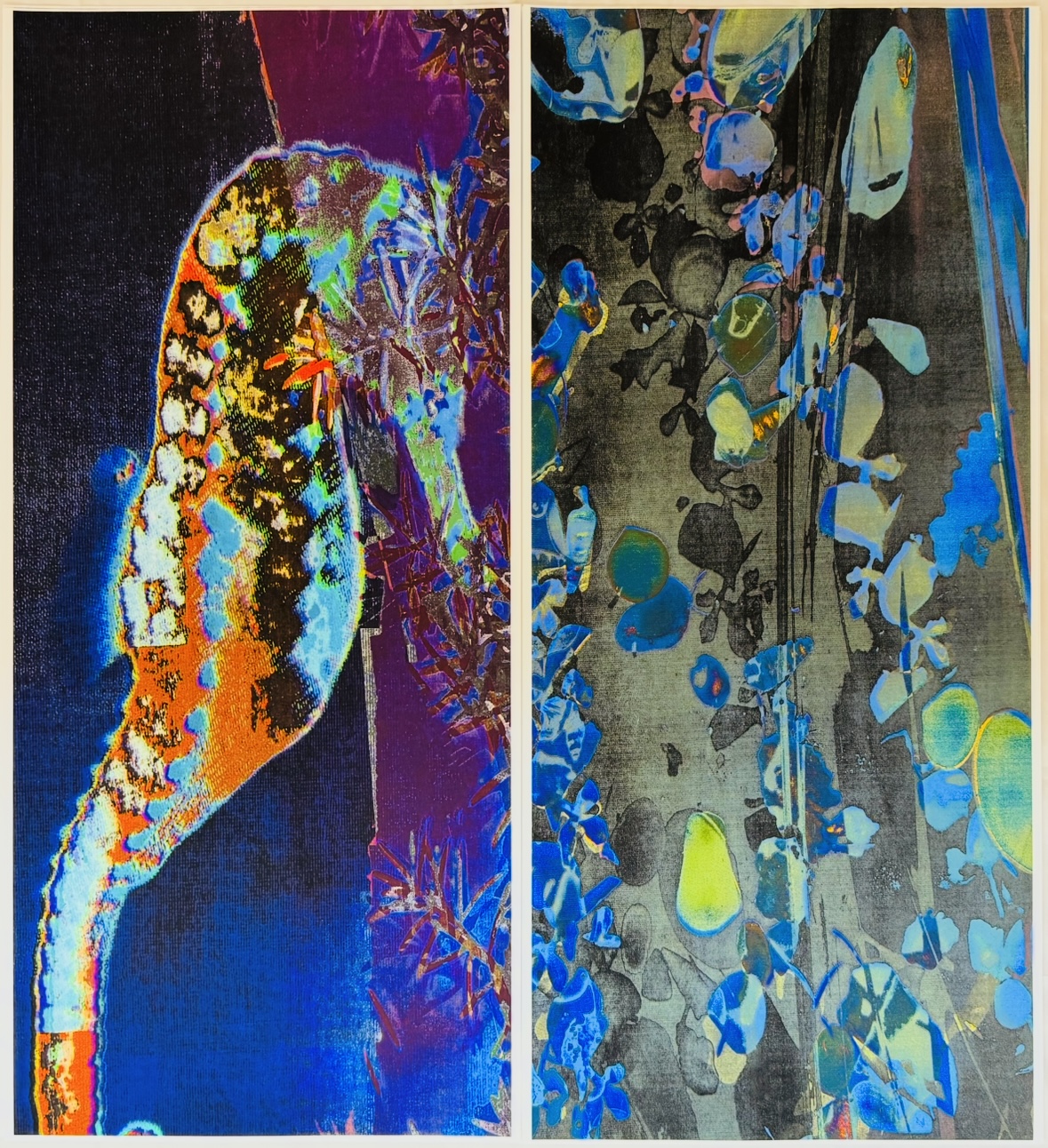
In leuchtenden digitalen Kompositionen lässt die New Yorker Künstlerin Fische durch abstrakte Gewässer gleiten und botanische Formen in elektrisierenden Farbräumen aufgehen.
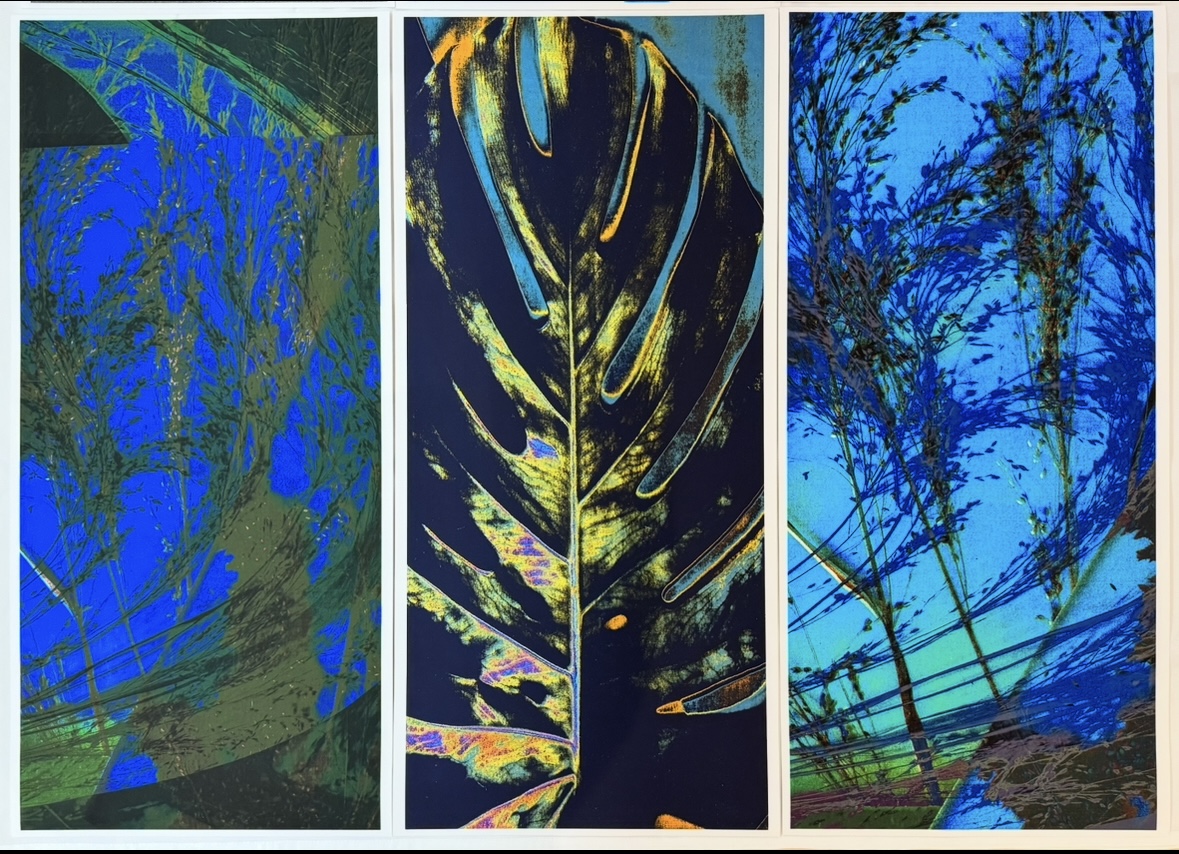
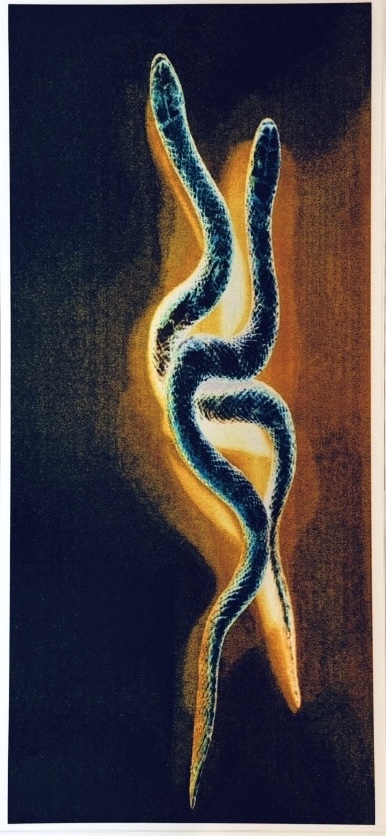
COM.TR 1, Trio-Mono-Photo-Print von Lesley SchiffCOM 1, Mono-Photo-Print von Lesley SchiffDOU 1, Duo-Mono-Photo-Print von Lesley Schiff

OUR TEAM

Ruben Sharif

Ruben Sharif

CDO / Programme & Art Relations
Damien Schaerer

Damien Schaerer

Co-Gallerist & Art Relations
Karl J. Heim

Karl J. Heim

PR & Legal Relations

Natasha Carnelos

Natasha Carnelos

Social Media Relations

01

Become a Patron

Patrons accompany individual projects over years: research, travel and publications. The dialogue stays personal.

02

Sponsorship

Sponsorship of an exhibition or project – visible, clearly bounded and editorially independent.

03

Corporate Partner

Partnerships with companies that understand culture as part of their responsibility grow from the programme.

04

Donations

Unrestricted contributions support the ongoing work of the space and its projects.

05

Foundations

Foundations that wish to support research, dialogue and cross-border work are invited to contact us.

06

Friends of Arte-Wallhoff

Friends keep the space open for exhibitions, conversations and a regular circle in Basel.

Arte‑Wallhoff
Space for Contemporary Art

ADRESSE

Klosterberg 17
CH–4051 Basel
Schweiz

ÖFFNUNGSZEITEN

Di–Fr 10:00–18:00
Sa 10:00–16:00

KONTAKT

+41 79 308 53 43
arte-wallhoff@bluewin.ch

INSTAGRAM

@artewallhoff_basel ↗

Contact

Arte-Wallhoff GmbH
arte-wallhoff@bluewin.ch

Klosterberg 17
CH–4051 Basel
Schweiz

+41 79 308 53 43

Newsletter

Kuratierte Hinweise zu Ausstellungen und Projekten.

ANMELDEN
Arte‑WallhoffEXHIBITION ARCHIVE

Past exhibitions

Select an exhibition to discover the artist and available works.

    Arte‑WallhoffARTIST DOSSIER

    Anna
    Charaktinou

    Beyond the visible

    Anna Charaktinou (b. 1978, Athens) is a Greek artist whose practice moves between painting, copperplate etching, drawing, cut-paper collage and two-dimensional paper sculpture. Myth, nature and the unconscious become a precise visual language of metamorphosis.

    Anna Charaktinou with red and turquoise hand-cut paper works
    Anna Charaktinou · Cut-paper portrait

    Drawing a passage
    into the unseen.

    Born in Athens in 1978, Charaktinou studied painting and engraving at the Athens School of Fine Arts from 1996 to 2001. An Erasmus period at the University of Hildesheim in 2002 introduced her to an intensive engagement with copperplate etching.

    The medieval environment of Hildesheim and nearby towns connected the artist’s technical research with German legends, early typography and the worlds of Albrecht Dürer and the Brothers Grimm. From 2008 to 2011, she continued her studies at the Berlin University of the Arts, completing a master-level course in painting with distinction.

    Charaktinou’s work has developed across printmaking, drawing, painting, cut paper and installation. Her images reconcile the tactile discipline of the hand with dream logic: plants, animals, eyes, bodies and hybrid beings appear as carriers of memory, desire and transformation.

    After long periods of work in Athens and Berlin, the artist now lives and works in France. Her practice remains anchored in an international field of exhibitions and collaborations.

    “The structure of my work is similar to the structure of a dream beneath the rational surface.”— Anna Charaktinou · Artist statement, 2025

    Line, myth,
    body and nature.

    Charaktinou builds images through accumulation and transformation. The exact line of the engraving needle meets the permeability of cut paper, while natural forms and archetypal figures shift between intimate self-portrait and universal narrative.

    01

    Etching as alchemy

    Copper, acid, pressure and ink form an almost alchemical process. Precision and experiment are held in productive tension.

    02

    Cut paper as drawing

    Hand-cut structures expand the drawn line into space. Fragile membranes operate between image, object and shadow.

    03

    Archetypal image

    Fairy tales, Jungian thought, Bosch, Dürer and Alice in Wonderland inform figures of rebirth, shadow and metamorphosis.

    04

    Visible / invisible

    Botanical forms, animals, shells, eyes and bodies connect instinctive nature with desire, memory and the unseen.

    Etchings & Original Prints

    Handworked copperplates translate dream structures into exact lines, tonal fields and richly layered symbolic scenes.

    Awakening in Eden / Metamorphosis

    Recurring cycles in which bodies, animals and plant forms negotiate the passage between instinct, self-knowledge and transformation.

    Bell Jars

    Small sculptural worlds gather hybrid figures and found forms beneath glass, turning the vitrine into a chamber of memory.

    The Inside Out Ceremony

    A visual ecology of hand-cut forms, fantastic creatures and internal landscapes presented at The Blender Gallery in Glyfada.

    Landscape / Journey Beyond Dreams

    Two Arte‑Wallhoff exhibition cycles bring the collage and print practices together as a landscape of imagination and myth.

    A practice shaped
    across places.

    Selected milestones based on the artist’s biographical material, exhibition invitations and statements supplied to Arte‑Wallhoff.

    1. Born in Athens, Greece.

    2. Studies painting and engraving at the Athens School of Fine Arts.

    3. Erasmus period at the University of Hildesheim; begins an intensive engagement with copperplate etching.

    4. Continues her studies at the Berlin University of the Arts and completes a master-level course in painting with distinction.

    5. Participates in Im Zeichen der Feder, Galerie Hirschmann, Berlin.

    6. Participates in group exhibitions in Basel.

    7. Develops the Bell Jars body of work.

    8. Produces major etching groups including Nigredo, Birth of Desire and Forget Me Not.

    9. The Inside Out Ceremony, The Blender Gallery, Glyfada, Greece.

    10. Chelsea Galerie Reloaded, Projektraum M54, Basel.

    11. Landscape of the Imaginary, Arte‑Wallhoff, Basel.

    12. Journey Beyond Dreams, Arte‑Wallhoff, Basel.

    The hand at work.

    The studio reveals a practice built through patient sequences: drawing on the plate, cutting and assembling paper, preparing ink and pressure, then testing how separate images speak to one another.

    Anna Charaktinou holding a print beside an etching press
    In the print studio · Etching and original print
    Anna Charaktinou's worktable with drawings, cut paper and tools
    Worktable · Drawing, cutting and assembly

    From intimate line
    to spatial constellation.

    Charaktinou’s works can function as self-contained images or as fragments within larger installations. On the wall, cut-paper networks and framed works create a field of visual relationships.

    Anna Charaktinou assembling a large geometric paper installation
    Building a large paper constellation
    Installation view of Anna Charaktinou works at an art fair
    Art-fair installation · Works in dialogue

    A continuing public
    conversation.

    Invitations, installations and exhibition views situate the artist’s practice between Berlin, Athens, Basel and an expanding international context.

    Invitation for Im Zeichen der Feder at Galerie Hirschmann in 2013
    Im Zeichen der FederGalerie Hirschmann · Berlin, 2013
    Poster for The Inside Out Ceremony by Anna Charaktinou
    The Inside Out CeremonyThe Blender Gallery · Glyfada, 2021–22
    Reference for Chelsea Galerie Reloaded in Basel in 2024
    Chelsea Galerie ReloadedProjektraum M54 · Basel, 2024
    Anna Charaktinou with works presented at Arte-Wallhoff
    Arte‑WallhoffArtist visit and collection presentation

    Materials

    Copperplate etching · original printmaking · painting · drawing · cut-paper collage · paper sculpture · mixed-media installation

    Key themes

    Metamorphosis · rebirth · shadow and light · fairy tale · dream · nature · the feminine · instinct · archetype · the visible and invisible

    Sources & affinities

    Albrecht Dürer · Hieronymus Bosch · Brothers Grimm · Hans Christian Andersen · Lewis Carroll · German Expressionist cinema · Carl Gustav Jung

    Arte‑WallhoffARTIST DOSSIER

    Otto
    Urwyler

    Fields of memory

    Otto Urwyler (b. 1954, Olten) is a Swiss artist living and working in Basel. Across painting, sculpture, object art and printmaking, he dissolves familiar forms into fragments, then reorganises them as open constellations of colour, memory and space.

    Portrait of Swiss artist Otto Urwyler
    Otto Urwyler · Basel

    Forms seeking
    their place.

    Born in Olten in 1954, Otto Urwyler completed the preliminary course at the School of Applied Arts in Basel in 1976–77. From 1977 to 1979 he trained as a sculptor in Johannes Burla’s class for spatial design, establishing the close attention to volume, interval and balance that continues through his work.

    In 1983 he received the Basel Scholarship for Fine Arts. Between 1983 and 1985 he studied at the Kunstakademie Düsseldorf and the Hochschule der Künste in Berlin. He later returned to the Basel School of Applied Arts for an extended course in etching with Dadi Wirz from 1990 to 1995.

    Urwyler’s practice crosses painting, sculpture, object art, etching and monotype. Each medium becomes a way of testing how a form enters a field, changes its surroundings and finds a temporary order. His visual language is abstract yet never closed: fragments, lines, circles, traces and biomorphic signs remain active and available to new readings.

    He lives and works in Basel. His work has been presented in Switzerland and internationally, including the Kunsthalle Basel, Aargauer Kunsthaus, Helmhaus Zürich and the International Print Biennale in Sapporo.

    “A point at the wrong place can change an entire statement.”— Christine‑Maria Greb on Otto Urwyler

    Fragments, fields,
    space and resonance.

    Urwyler breaks apart conventional structures and lets their elements form new relationships. The image is not a fixed answer but a field in which order, chance and intuition remain in motion.

    01

    Fragments & symbols

    Archaic-looking signs, silhouettes and fragments are shifted and rearranged. Their simplified forms invite viewers to connect personal memory with a wider field of archetypes.

    02

    Morphic fields

    Inspired by ideas of morphic resonance, forms appear to carry traces of earlier states. The past becomes an active presence rather than a closed historical layer.

    03

    Kinetic space

    Proximity, tension and distance organise the composition. A line, point or colour field seeks its place in relation to every other element.

    04

    Original printmaking

    In monotype and etching, pressure, ink and the singular impression make process visible. Each 1/1 print preserves an unrepeatable balance of gesture and chance.

    Original Monotypes

    Unique mixed-ink and colour impressions on Manjani paper, balancing pale atmospheric grounds with concentrated signs and bodies.

    Symbols & Fragments in Space

    A collection centred on the movement and rearrangement of global and archaic symbols within an open spatial field.

    The Presence of the Past

    Arte‑Wallhoff’s Basel presentation brought abstract composition together with memory, morphic resonance and the dialogue between Eastern and Western traditions.

    A practice formed
    between disciplines.

    Selected education, awards and exhibitions from the biographical documents supplied to Arte‑Wallhoff.

    1. Born in Olten, Switzerland.

    2. Preliminary course at the School of Applied Arts, Basel.

    3. Trains as a sculptor in Johannes Burla’s class for spatial design at the School of Applied Arts, Basel.

    4. Participates repeatedly in the Christmas Exhibition at Kunsthalle Basel.

    5. Receives the Basel Scholarship for Fine Arts.

    6. Studies at the Kunstakademie Düsseldorf and the Hochschule der Künste in Berlin.

    7. Academy tour in Düsseldorf and GSMBA presentation at Helmhaus Zürich.

    8. Group exhibitions in Gipf‑Oberfrick and Basel; presentations in Arlesheim and at the Cork Summer Festival.

    9. Studies etching with Dadi Wirz at the School of Applied Arts, Basel.

    10. Participates in the International Print Biennale in Sapporo.

    11. Prints by Artists of the Region, Berowergut, Riehen.

    12. The Presence of the Past, Arte‑Wallhoff, Basel.

    Movement, pressure
    and decision.

    The studio photographs show image-making as a sequence of physical decisions: rolling ink, testing surfaces, turning the print, comparing states and responding to each new constellation.

    Otto Urwyler standing in his Basel studio
    Atelier view · Basel
    Otto Urwyler reviewing a blue work in his Basel studio
    Reviewing a new state in the studio
    Otto Urwyler rolling ink across a printing surface
    Rolling colour across the plate
    Close view of Otto Urwyler working on a blue monotype
    Hand, pigment and the singular impression
    Printing tools and Otto Urwyler reviewing works in the studio
    Tools, plates and the artist at work

    Memory as an
    open composition.

    Urwyler’s monotypes hold sparse elements in atmospheric space. Traces seem to emerge, disappear and return, allowing the eye to move between recognition and ambiguity.

    Original monotype number 001 by Otto Urwyler
    Original Monotype No. 001 · 1991
    Original monotype number 010 by Otto Urwyler
    Original Monotype No. 010 · 1991

    A visual language
    of relation.

    Urwyler’s practice brings art history, spiritual thought and intuitive process into a shared field without reducing the work to a single interpretation.

    Materials

    Painting · sculpture · object art · etching · monotype · mixed ink and colour · paper and varied material supports

    Key ideas

    Memory · fragments · morphic fields · resonance · kinetic space · intuition · chance · order and disorder · consciousness and dream

    Sources & affinities

    Hans Arp · Wassily Kandinsky · Johannes Burla · Jakob Böhme · Eastern myths · Theosophy · Rupert Sheldrake

    Arte‑WallhoffARTIST DOSSIER

    Conrad
    Mieschke

    The quiet intensity of nature

    Conrad Mieschke (b. 1938, Poland) is a German‑Canadian artist whose watercolours, acrylics and egg‑tempera paintings translate the changing seasons of Ontario into meticulous, contemplative images.

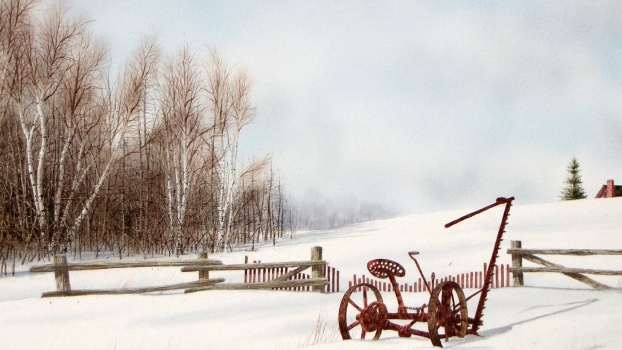
    Winter landscape with farm implement by Conrad Mieschke
    Conrad Mieschke · Winter landscape

    A life shaped by craft
    and close observation.

    Conrad Mieschke was born in Poland in 1938 to German parents and raised and educated in Germany. Drawing and painting were present from an early age, but family and economic expectations first led him toward the exacting craft of the book.

    He completed a three‑year apprenticeship as an art bookbinder and restorer of historic books. During this period he entered two nationwide bookbinding competitions, receiving a silver and a gold medal. Further study at the Graphic Academy in Munich culminated in a Master Bookbinder certificate in 1963.

    In 1965 Mieschke emigrated to Canada and worked for five years with a Toronto publishing company. In 1970, as his work gained recognition in Canada and abroad, he committed himself fully to painting.

    His practice is rooted in the rural landscape of southern Ontario and in the changing moods of its four seasons. Close observation, technical discipline and an unmistakable spiritual undercurrent transform familiar trees, snowfields, farm implements and thawing ground into intimate spaces of reflection.

    “Painting is my means of communicating my most intimate impressions of nature.”— Conrad Mieschke

    Realism as attention,
    nature as encounter.

    Mieschke’s meticulously detailed images are not detached records. They begin with walking, weather and prolonged looking, then return to the studio as concentrated recollections of sound, temperature, light and stillness.

    01

    Seasonal change

    Snow, thaw, fog and low winter light give each landscape its emotional register.

    02

    Exact observation

    Trees, farm implements, animals and tracks are rendered with disciplined craft and intimate familiarity.

    03

    Studio memory

    Outdoor experience is absorbed first, then translated through concentration and recollection.

    04

    Spiritual current

    Precision opens toward quietness, solitude and a sense of connection with the natural world.

    Transparent atmosphere

    Layered washes establish snow, mist and distance while preserving the brightness of the paper.

    Colour and structure

    Controlled colour and finely articulated surfaces give rural subjects clarity and physical presence.

    Patient construction

    The slow medium supports the artist’s exacting approach to light, texture and form.

    Craft, migration
    and a life in painting.

    Selected milestones drawn from the biographical and archival documents supplied to Arte‑Wallhoff.

    1. Born in Poland to German parents; raised and educated in Germany.

    2. Sketches and paints from an early age.

    3. Trains in art bookbinding and the restoration of historic books.

    4. Receives silver and gold medals in nationwide bookbinding competitions.

    5. Graduates from the Graphic Academy in Munich with a Master Bookbinder certificate.

    6. Emigrates to Canada and works with a publishing company in Toronto.

    7. Leaves publishing to work as a full‑time artist.

    8. Work is exhibited and collected internationally; images are published by Hallmark and UNICEF.

    Winter, memory
    and rural Ontario.

    The supplied works move between luminous colour and precise monochrome drawing. Official titles, dimensions and availability are not assigned where the source material does not provide them.

    Winter landscape with farm implement by Conrad Mieschke
    Winter landscape with farm implement
    Winter road with vintage car by Conrad Mieschke
    Winter road with vintage car
    Thawing ground and new growth by Conrad Mieschke
    Thawing ground and new growth
    Forest study in winter by Conrad Mieschke
    Forest study in winter
    Snowbound wagon drawing by Conrad Mieschke
    Snowbound wagon study

    Documents across
    languages and decades.

    Profiles, press clippings, statements and exhibition brochures trace the reception of Mieschke’s practice in Canada and Europe. They are reproduced here as historical source material.

    Archival profile about Conrad Mieschke
    ProfileArtist portrait and statement
    German-language press article about Conrad Mieschke
    Press archiveGerman‑language coverage
    Exhibition brochure biography for Conrad Mieschke
    Exhibition brochureBiography
    Exhibition invitation for Conrad Mieschke
    Exhibition brochureInvitation

    A direct language
    for felt experience.

    The dossier combines the artist’s own statements with biographical texts, press material and work images supplied to Arte‑Wallhoff.

    Materials

    Watercolour · acrylic · egg tempera · drawing · works on paper

    Key themes

    Rural landscape · winter · seasonal transition · solitude · memory · light and shadow · spiritual connection

    Archival references

    Artist statements · Canadian profile · German‑language press · exhibition brochures · work photographs supplied to Arte‑Wallhoff

    Arte‑WallhoffARTIST DOSSIER

    Lesley
    Schiff

    Painting with light

    Lesley Schiff (b. 1951, USA) is a New York artist and pioneer of colour xerography. Since the late 1970s, she has treated photocopiers and laser printers as painterly instruments, constructing images through light, movement and layered reproduction.

    Works by Lesley Schiff arranged in her studio
    Works in the studio · New York

    A painter who found
    a new kind of brush.

    Schiff’s relationship with art began in Chicago. Her mother studied at the Art Institute of Chicago, and Schiff entered its Junior School at the age of seven. She later studied painting at the Institute before moving to New York in 1974.

    In New York, access to an early colour copier transformed her practice. Rather than using the machine simply to reproduce an image, she worked directly on its glass surface—arranging objects, moving them during exposure and using light as an active material.

    Between 1979 and 1981, Schiff developed SEASONS, a portfolio of 24 images. The Metropolitan Museum of Art acquired the series in 1981, at a time when the museum had no established category for this new image-making process.

    Her work has since moved between colour xerography, laser imaging, photography and interactive digital projects. Across these changing technologies, the central questions remain remarkably consistent: how images construct memory, identity, power and our perception of the world.

    “I never intended to stop painting. I just decided to start painting with a modern tool.”— Lesley Schiff

    Image, object,
    light and time.

    Schiff’s process sits between painting, photography and performance. The machine records not only the object, but the artist’s physical gesture and the duration of an exposure.

    01

    Painting with light

    The copier’s scanning beam becomes a source of illumination and a moving brush. Colour is built optically rather than mixed on a palette.

    02

    Process as image

    Objects shift while they are scanned. Streaks, blur, dust and particles are retained as evidence of time, touch and the machine’s translation.

    03

    Layered symbols

    Found images and cultural signs are isolated, repeated and superimposed. Their familiar meanings become unstable when placed in new constellations.

    04

    Expanded digital space

    From prints to interactive works, Schiff uses technology to open images rather than close them—to invite movement, comparison and discovery.

    SEASONS

    A 24-image portfolio that established the colour copier as a medium for original image-making.

    FACE VALUE / MONEY TALKS

    Money, status and power are examined through the symbols and portraits embedded in currency.

    ANGELS

    Historical and contemporary angelic motifs meet commercial culture and the visual language of everyday life.

    EYE LEVELS / DISTANT SYSTEMS

    Changing points of view connect the human body, architecture, geography and the cosmos.

    DO NOT PRETEND

    A career-spanning interactive project arranged as an exploratory visual system inspired by the periodic table.

    Five decades of
    experimentation.

    1. Born in the United States.

    2. Begins art education in the Junior School of the Art Institute of Chicago; later studies painting at the Institute.

    3. Moves to New York. Exhibition at the Aldrich Museum.

    4. Exhibits at 3 Mercer Street, New York.

    5. Exhibits at The Kitchen, New York.

    6. Basel Art Fair and Mike Steiner Gallery.

    7. Creates the 24-image SEASONS portfolio.

    8. The Metropolitan Museum of Art acquires SEASONS.

    9. Exhibition at the Chicago Cultural Center.

    10. Face Value shown at Rockefeller Townhouse, New York.

    11. Work enters the collection of The Museum of Modern Art, New York.

    12. Work enters the Royal Collection, Buckingham Palace; exhibitions with Arte‑Wallhoff and Alexia Goethe Fine Art.

    13. Work enters the collection of the Whitney Museum of American Art.

    14. Included in the Whitney Museum exhibition Experiments in Electrostatics.

    15. Presented at The Metropolitan Museum of Art; the Bob Dylan project receives editorial attention in Boston.

    16. Work enters the collections of Arts Brookfield and the Fleming Museum of Art.

    17. Launches Do Not Pretend: 1978–2022; Arte‑Wallhoff presents The Angelic Collection.

    18. Arte‑Wallhoff presents Money Talks.

    19. Arte‑Wallhoff presents Flora, Fauna & Shimmering Worlds.

    The working
    environment.

    These views show the intimate scale of Schiff’s working process: images gathered in sequences, prints tested in proximity and the studio floor becoming an active field of comparison.

    Works by Lesley Schiff arranged on a studio table
    Works arranged in the studio
    Lesley Schiff studio view with artworks arranged on the floor
    Atelier view · New York, 2017

    From the studio
    to the institution.

    Schiff’s prints operate both as autonomous images and as parts of larger visual systems. Installed in sequence, they create constellations across time, technology and cultural memory.

    Lesley Schiff works installed in a museum gallery
    Installation impression
    Visitors viewing Lesley Schiff works in a museum gallery
    Works in an institutional setting

    An early digital
    language.

    From museum acquisition to exhibitions and editorial coverage, Schiff’s work has been recognised as a foundational contribution to electrostatic and digital image-making.

    Metropolitan Museum of Art article about Lesley Schiff
    The Metropolitan Museum of ArtAcquisition and digital-art history
    Article about Lesley Schiff's Distant Systems project
    Distant SystemsKansas City presentation
    Boston Magazine article about Lesley Schiff's Bob Dylan project
    Boston MagazineBob Dylan visual biography
    The FWA feature about Lesley Schiff's Bob Dylan project
    The FWAInteractive project recognition

    Selected collections

    The Metropolitan Museum of Art · Whitney Museum of American Art · The Museum of Modern Art · Royal Collection, Buckingham Palace · Yale University · Fleming Museum of Art · New York Public Library · David and Alfred Smart Museum of Art

    Corporate & private collections

    Goldman Sachs · Chase · JP Morgan · General Electric · Canon USA · Columbia Records · Mick Jagger · New York Telephone

    Selected exhibitions

    Basel Art Fair · The Kitchen · Chicago Cultural Center · Rockefeller Townhouse · Whitney Museum of American Art · The Metropolitan Museum of Art · Weinberger Fine Art · Arte‑Wallhoff

    Arte‑WallhoffBASEL · SINCE 1998

    Works from the exhibition

    0 available